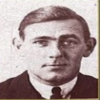

Third Officer Francis William Laws
Crew member | Third Officer11.9.1888
Biography
Francis William Laws (born 1888 in Southampton, England) was a British merchant officer who served as the Third Officer on the hospital ship HMHS Britannic, the famed sister ship of the Titanic. Although personal records about his early family life are sparse, he belonged to the generation of young seamen who entered the merchant service during a period of rapid change in British maritime history. Southampton, his birthplace, was a major port city and home to training establishments, shipping firms, and a long tradition in seafaring, which likely influenced his path into maritime service.
By the time he earned his officer’s qualifications, Laws had built a reputation for competence and reliability. These traits were essential for a merchant officer working under the White Star Line, an organization known for high operational standards. His appointment to the Britannic in September 1916 placed him aboard the newest and largest vessel in the company’s fleet, which had already been requisitioned by the British government and converted into a hospital ship supporting the war effort in the Mediterranean.
As Third Officer, Laws held significant responsibility. His duties would have included standing bridge watches, assisting with navigation, supervising deck crew operations, ensuring safety procedures, and supporting the Chief and First Officers with daily ship management. Officers in his position were expected to maintain discipline, respond quickly to emergencies, and act as a bridge between higher command and working crew. The Britannic’s service as a hospital ship added extra layers of difficulty, due to the constant movement of medical staff, wounded soldiers, and supplies.
On 21 November 1916, during one of the ship’s voyages through the Aegean Sea, the Britannic struck a mine and began sinking rapidly. The situation escalated within minutes. Despite the speed and chaos of the disaster, accounts of the ship’s final moments describe a disciplined evacuation. Officers such as Laws were central to this response. They were responsible for overseeing lifeboat operations, communicating orders, maintaining calm among both crew and medical personnel, and helping as many people as possible reach safety.
Unlike the Titanic, the Britannic sank in daylight and in warmer waters, which allowed more people to survive. Laws was among those who escaped the disaster. His survival placed him in a notable group of officers who witnessed the loss of one of the largest ships destroyed during the First World War.
After the sinking, Francis William Laws returned to relative obscurity. Publicly accessible archives do not record his later career or provide a definite date of death, which is unusual but not uncommon for merchant officers of that era, especially those who continued serving during wartime or moved into non-public occupations afterward. His documented service aboard the Britannic, however, secures his place in the broader historical narrative of the Olympic-class liners and the maritime history of the early twentieth century.
Although he is not as widely recognized as senior officers like Captain Bartlett or Chief Officer Charles Alfred Bartlett, Laws remains part of the essential record of the Britannic’s crew: the men who managed one of the great ships of its time and who stood at their posts during one of the significant maritime losses of the First World War.
By the time he earned his officer’s qualifications, Laws had built a reputation for competence and reliability. These traits were essential for a merchant officer working under the White Star Line, an organization known for high operational standards. His appointment to the Britannic in September 1916 placed him aboard the newest and largest vessel in the company’s fleet, which had already been requisitioned by the British government and converted into a hospital ship supporting the war effort in the Mediterranean.
As Third Officer, Laws held significant responsibility. His duties would have included standing bridge watches, assisting with navigation, supervising deck crew operations, ensuring safety procedures, and supporting the Chief and First Officers with daily ship management. Officers in his position were expected to maintain discipline, respond quickly to emergencies, and act as a bridge between higher command and working crew. The Britannic’s service as a hospital ship added extra layers of difficulty, due to the constant movement of medical staff, wounded soldiers, and supplies.
On 21 November 1916, during one of the ship’s voyages through the Aegean Sea, the Britannic struck a mine and began sinking rapidly. The situation escalated within minutes. Despite the speed and chaos of the disaster, accounts of the ship’s final moments describe a disciplined evacuation. Officers such as Laws were central to this response. They were responsible for overseeing lifeboat operations, communicating orders, maintaining calm among both crew and medical personnel, and helping as many people as possible reach safety.
Unlike the Titanic, the Britannic sank in daylight and in warmer waters, which allowed more people to survive. Laws was among those who escaped the disaster. His survival placed him in a notable group of officers who witnessed the loss of one of the largest ships destroyed during the First World War.
After the sinking, Francis William Laws returned to relative obscurity. Publicly accessible archives do not record his later career or provide a definite date of death, which is unusual but not uncommon for merchant officers of that era, especially those who continued serving during wartime or moved into non-public occupations afterward. His documented service aboard the Britannic, however, secures his place in the broader historical narrative of the Olympic-class liners and the maritime history of the early twentieth century.
Although he is not as widely recognized as senior officers like Captain Bartlett or Chief Officer Charles Alfred Bartlett, Laws remains part of the essential record of the Britannic’s crew: the men who managed one of the great ships of its time and who stood at their posts during one of the significant maritime losses of the First World War.